Call: 08071780879
 Send Inquiry
 Send Inquiry
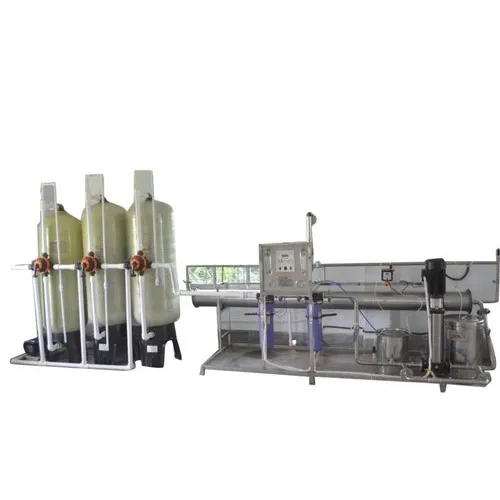
500 LPH FRP RO Plant
Price 90000 INR/ Unit
MOQ : 10 Units
500 LPH FRP RO Plant Specification
- Automatic Grade
- Semi Automatic
- Drive Type
- Electric
- Voltage
- 220-240 Volt (v)
- Material
- Stainless Steel
- Power Source
- Electricity
- Water Source
- Ground Water
500 LPH FRP RO Plant Trade Information
- Minimum Order Quantity
- 10 Units
- Payment Terms
- Cash Advance (CA)
- Supply Ability
- 1500 Units Per Month
- Delivery Time
- 10 Days
- Main Domestic Market
- All India
About 500 LPH FRP RO Plant
We have carved a niche in dealing a comprehensive range of500 LPH FRP RO Plant to our clients. It is made with a high quality of components to operate in a reliable manner. This series is highly effective at removing contaminants and ensure a high level of plant automation. It is to remove minerals and gives a better taste. 500 LPH FRP RO Plant is to reduce fuel cost through lower heat loss.
Advanced Water Filtration Technology
The 500 LPH FRP RO Plant employs state-of-the-art reverse osmosis technology to deliver high-quality purified water. Utilizing stainless steel for its core construction, the system offers enhanced resistance to corrosion and long service life, while the fiberglass reinforced plastic ensures robustness and lightness. With a processing capability of 500 liters per hour, the plant is suitable for various applications, particularly those reliant on groundwater sources.
Versatile and Energy-Efficient Operation
This RO plant is equipped with an electric drive system operating at 220-240 Volts, ensuring consistent performance with reasonable energy consumption. Its semi-automatic functionality allows easy monitoring and partial automation to suit user convenience. Whether in a factory or an institution, the unit offers dependable water treatment with minimal supervision.
FAQs of 500 LPH FRP RO Plant:
Q: How does the 500 LPH FRP RO Plant purify groundwater?
A: The plant uses reverse osmosis technology, forcing groundwater through a semi-permeable membrane to remove dissolved salts, impurities, and contaminants. This ensures that the output water is safe and suitable for various uses.Q: What is the primary benefit of using this RO plant in India?
A: The main advantage is its capability to provide high-quality purified water from easily accessible groundwater sources, making it ideal for locations where clean water is not readily available.Q: When is the 500 LPH FRP RO Plant most commonly used?
A: This RO plant is typically utilized in settings that demand a steady supply of purified water, such as industries, institutions, schools, and commercial establishments.Q: Where should the RO plant be installed for optimal performance?
A: The system should be installed in a clean, well-ventilated area near the groundwater supply and an electrical outlet, ensuring easy maintenance and efficient operation.Q: What materials are used in the construction of this RO plant?
A: The plant uses high-quality stainless steel and fiberglass reinforced plastic (FRP), ensuring durability, corrosion resistance, and extended lifespan.Q: How is the semi-automatic operation beneficial to users?
A: Semi-automatic operation allows users to monitor certain processes and intervene when necessary, ensuring efficient oversight while reducing the need for constant manual involvement.Q: What is the typical process for maintaining this plant?
A: Regular maintenance includes cleaning the filters, checking the membrane condition, and monitoring electrical connections to ensure stable performance and long-term reliability.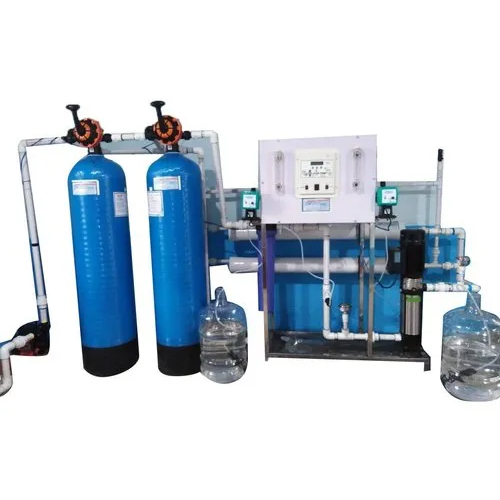
Tell us about your requirement

Price:
Quantity
Select Unit
- 50
- 100
- 200
- 250
- 500
- 1000+
Additional detail
Mobile number
Email

More Products in Reverse Osmosis Plant Category
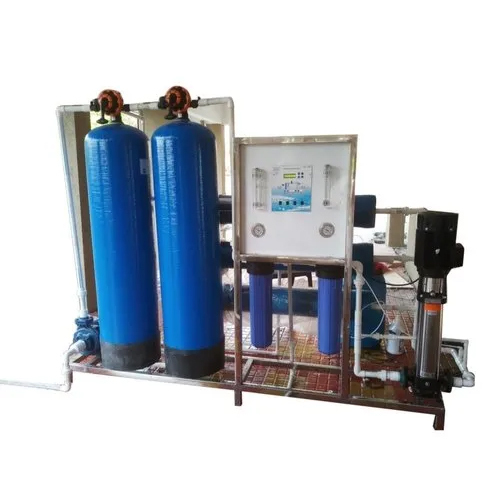
500 LPH Commercial Reverse Osmosis Plant
Price 30000 INR / Unit
Minimum Order Quantity : 10 Units
Water Source : Ground Water
Material : Stainless Steel
Power Source : Electricity
Automatic Grade : Semi Automatic
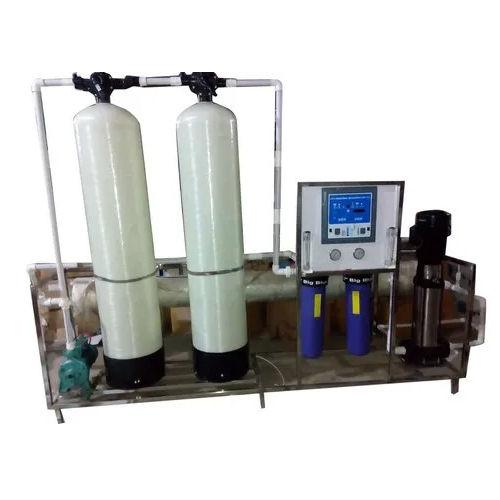
15000 LPH Industrial Reverse Osmosis Plant
Price 1400000 INR / Unit
Minimum Order Quantity : 10 Units
Water Source : Ground Water
Material : Stainless Steel
Power Source : Electricity
Automatic Grade : Semi Automatic
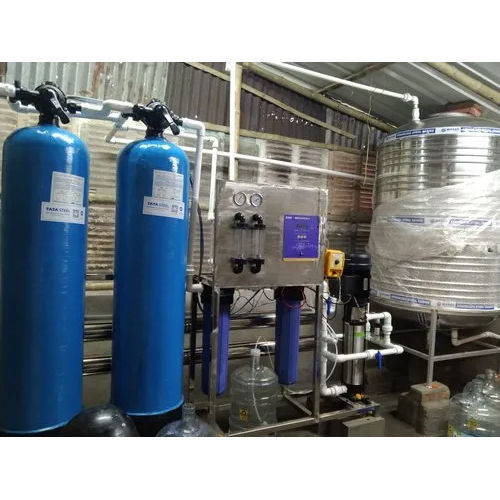
Industrial Reverse Osmosis System
Price 1200000.00 INR / Unit
Minimum Order Quantity : 10 Units
Water Source : Ground Water
Material : Stainless Steel
Power Source : Electricity
Automatic Grade : Semi Automatic
10000 LPH Reverse Osmosis Plant
Price 1200000 INR / Unit
Minimum Order Quantity : 10 Units
Water Source : Ground Water
Material : Stainless Steel
Power Source : Electricity
Automatic Grade : Semi Automatic

Contact Details
LAXMI ENTERPRISES
GST : 19DOCPS4619G1ZN
- 82/1, Foreshore Road, Koyladipot, Shibpur, Howrah - 711102, West Bengal, India
- Phone :08071780879

 Send Inquiry
Developed and Managed by Infocom Network Private Limited.
